Archives
- 2026-08
- 2026-07
- 2026-06
- 2026-05
- 2026-04
- 2026-03
- 2026-02
- 2026-01
- 2025-12
- 2025-11
- 2025-10
- 2025-09
- 2025-04
- 2025-03
- 2025-02
- 2025-01
- 2024-12
- 2024-11
- 2024-10
- 2024-09
- 2024-08
- 2024-07
- 2024-06
- 2024-05
- 2024-04
- 2024-03
- 2024-02
- 2024-01
- 2023-12
- 2023-11
- 2023-10
- 2023-09
- 2023-08
- 2023-07
- 2023-06
- 2023-05
- 2023-04
- 2023-03
- 2023-02
- 2023-01
- 2022-12
- 2022-11
- 2022-10
- 2022-09
- 2022-08
- 2022-07
- 2022-06
- 2022-05
- 2022-04
- 2022-03
- 2022-02
- 2022-01
- 2021-12
- 2021-11
- 2021-10
- 2021-09
- 2021-08
- 2021-07
- 2021-06
- 2021-05
- 2021-04
- 2021-03
- 2021-02
- 2021-01
- 2020-12
- 2020-11
- 2020-10
- 2020-09
- 2020-08
- 2020-07
- 2020-06
- 2020-05
- 2020-04
- 2020-03
- 2020-02
- 2020-01
- 2019-12
- 2019-11
- 2019-10
- 2019-09
- 2019-08
- 2019-07
- 2019-06
- 2019-05
- 2019-04
- 2018-07
-
Nicotine is the main psychoactive component of tobacco that
2021-02-03
Nicotine is the main psychoactive component of tobacco that causes addiction. Besides the regulation of the stress responses, CRF has been implicated in nicotine addiction based on several lines of evidence (Bruijnzeel and Gold, 2005, Sarnyai et al., 2001). First, acute administration of nicotine, l
-
In previous works Wang et al
2021-02-03
In previous works (Wang et al. [4,5]), the PR-CPA EoS has been applied to describe the solubilities of hydrocarbons (including methane, ethane, propane, n-butane, n-pentane, n-hexane, benzene, toluene, and ethyl-benzene) and mercaptans (including methyl mercaptan and ethyl mercaptan) in aqueous MDEA
-
The enzymatic activity of recombinant sponge P
2021-02-03
The enzymatic activity of recombinant sponge P4H was assayed in vitro both at 37°C, the standard enzymatic kinetics temperature, and at 15°C, the typical sea temperature of C. reniformis marine environment (Fig. 2C). Surprisingly the data obtained indicate that the sponge enzyme has a lower activity
-
br Introduction Concrete is one of the most commonly used
2021-02-03
Introduction Concrete is one of the most commonly used materials in the construction industry and its raw material is available throughout the world. Concrete is derived from ordinary Portland cement and is used for the construction and development of infrastructures. Research shows that demand f
-
For the current studies we used
2021-02-03

For the current studies, we used the selective Epac agonist 8CPT-AM to directly activate the proteins. We chose this pharmacological approach since it allows a direct activation of Epacs rather than using receptor agonists such as PGE2 which could introduce confounding variables. One potential conce
-
We should also note that although
2021-02-03

We should also note that, although AOAA is not a specific H2S inhibitor, its inhibitory effect on l-cysteine-induced relaxations are related to H2S since addition of AOAA to another H2S inhibitor PAG did not provide a further inhibition of these relaxations in penile tissue [37]. In our study, the c
-
Host cell invasion by tachyzoites relies on the secretion of
2021-02-03
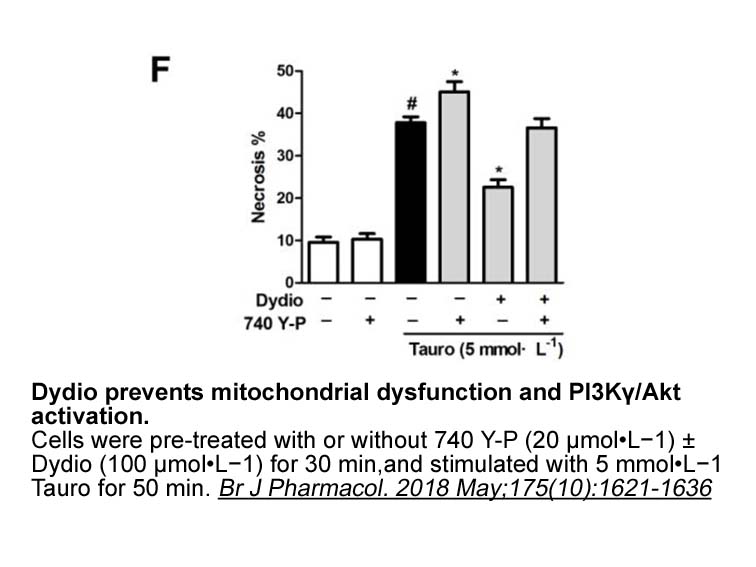
Host cell invasion by tachyzoites relies on the secretion of numerous secretory proteins and plays a crucial role in maintaining infection [6]. ESA released by tachyzoites are highly immunogenic and induce either antibody-dependent or cell-mediated protective immunity [11], [44], [45]. To investigat
-
br Conclusions br Declaration of
2021-02-03
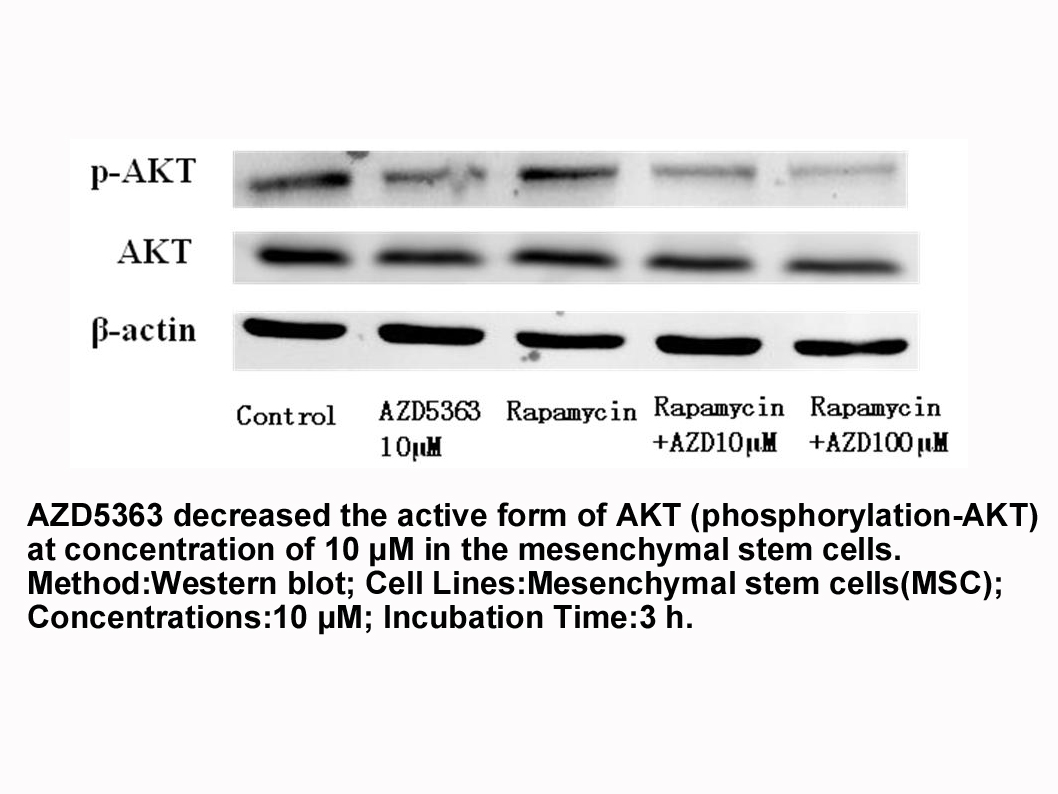
Conclusions Declaration of interest Acknowledgements Introduction Uncorrected obesity has been a major health problem and the prevalence of obesity is fast rising reaching an epidemic proportion [[1], [2], [3]]. Ample of clinical and experimental evidence has suggested that obesity leads
-
The different serotypes A G have unique
2021-02-03
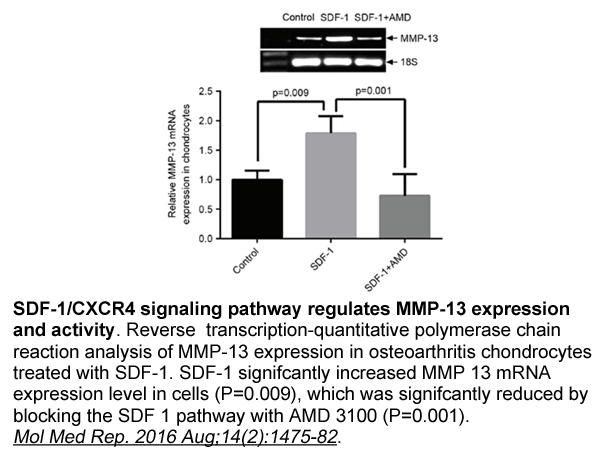
The different serotypes (A-G) have unique receptors to which they bind to produce the toxic effect on the nerve cells. (Lance, 2004, Rosetto et al., 2014). Intracellularly, the endopeptidase activity of different serotypes of BoNT target selectively a unique group of proteins, the SNARE pyridoxal ph
-
br Materials and methods br Results and discussion
2021-02-02
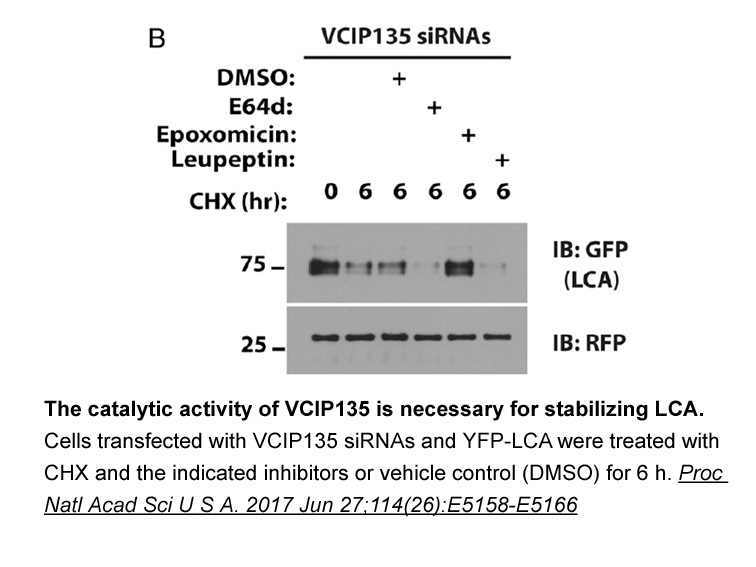
Materials and methods Results and discussion Conflict of interest Acknowledgments This work was supported by grants from National 973 Project (2015CB755700) and the Doctoral Starting up Foundation of Henan University of Science and Technology (13480033). Introduction Progression thro
-
Pyruvate dehydrogenase multienzyme complex PDHc catalyzes th
2021-02-02
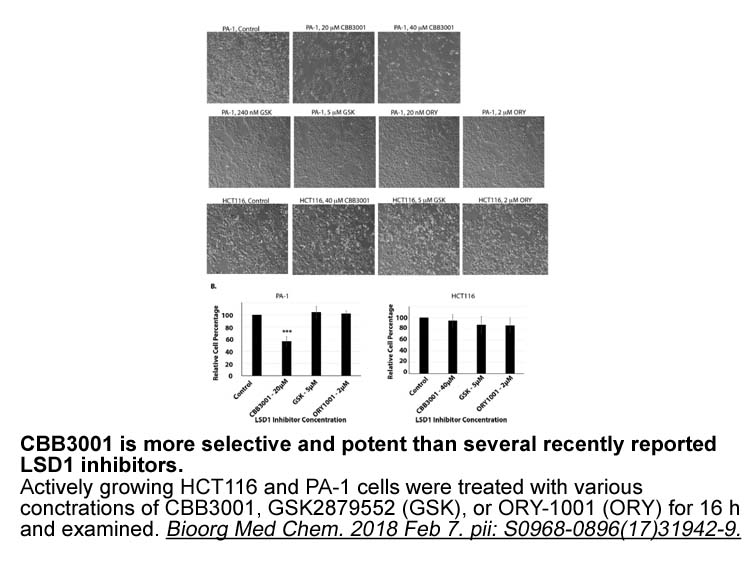
Pyruvate dehydrogenase multienzyme complex (PDHc) catalyzes the oxidative decarboxylation of pyruvate, and subsequently acetylates coenzyme A (CoA) to acetyl-CoA during the tricarboxylic 23 mg metabolic pathway using thiamine diphosphate (ThDP) and Mg2+ as cofactors. PDHc poses a key role in cyanob
-
Substituents at the C position An oxygen containing substitu
2021-02-02
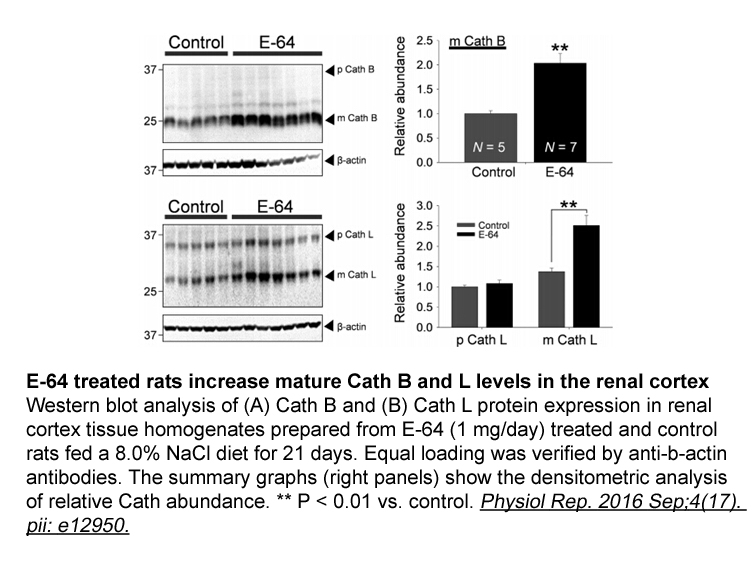
Substituents at the C11 position — An oxygen-containing substituent at the C11 position also affects the catalytic activity of Δ1-KSTDs. The Δ1-KSTDs from the Gram-positive bacteria R. equi [29], N. simplex ATCC 6946 and IFO 12069 [48,49,52], and R. rhodochrous IFO 3338 [27] were able to 1(2)-dehydr
-
To our knowledge immunohistochemical analysis for proGRP was
2021-02-02
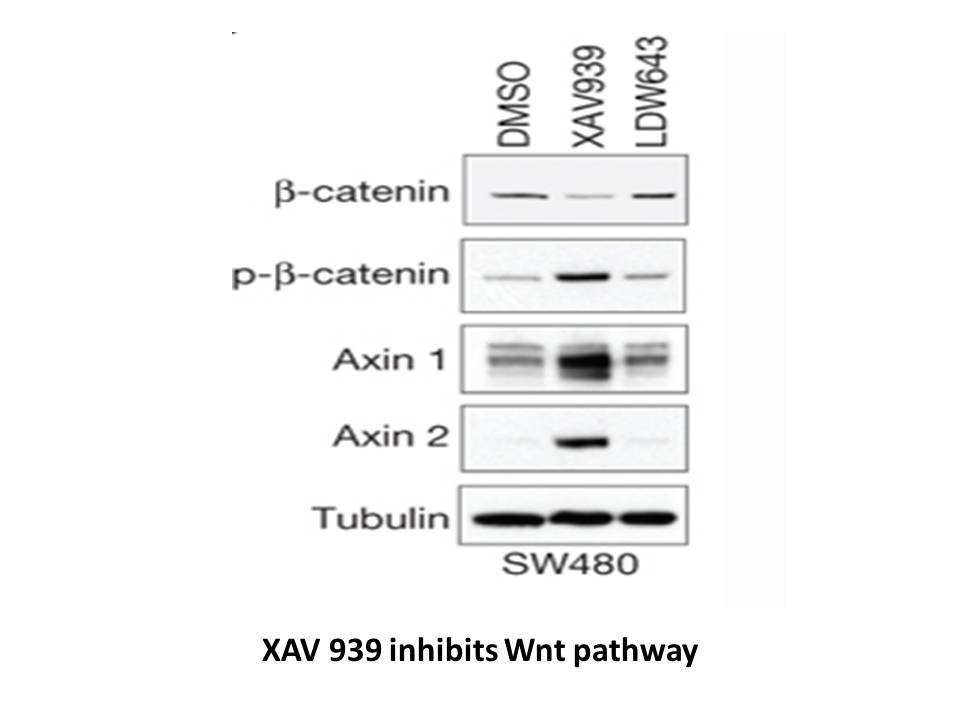
To our knowledge, immunohistochemical analysis for proGRP was done in 5 cases [9], [10], [17], [18]. Takagi-Takahashi et al. reported that the tumor MK-3207 HCl receptor were positive for proGRP in one case [9]. Yamaguchi et al. also showed that tumor cells in two patients of ES/PNET with elevated s
-
Injurious effects of cigarette smoke CS on human health are
2021-02-01
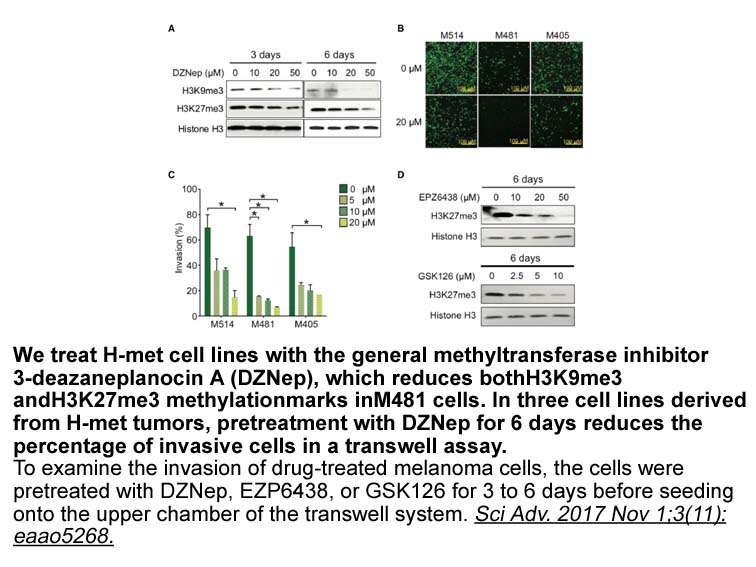
Injurious effects of cigarette smoke (CS) on human health are progressively being acknowledged both in animal and human studies. CS is a highly complex mixture that contains substantive amounts of toxic oxidants, nitric oxide, organic compounds, free radicals and microbial cell components including
-
Emi protein consists of an N terminal
2021-02-01
Emi2 protein consists of an N-terminal regulatory region and a C-terminal functional region. The C-terminal region contains a destruction box (D-box), which likely competes with APC/C substrates (including cyclin B) for APC/C binding, and a zinc-binding region (ZBR), which somehow inhibits APC/C ubi
15955 records 719/1064 page Previous Next First page 上5页 716717718719720 下5页 Last page